Guides to generators, power stations and outages
15 plain-English guides: sizing a generator, running watts vs starting watts, transfer switches, power station runtime, CPAP backup and generator safety. Every figure links to its source.
All guides
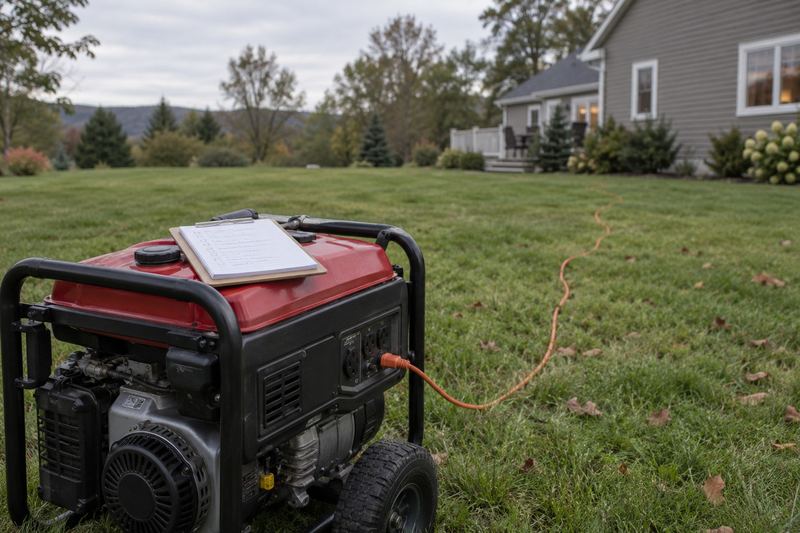
What size generator do I need? A simple sizing method
Add running watts, then the largest starting load. Worked examples for outage essentials, a well pump and whole-house central AC, plus a size chart.
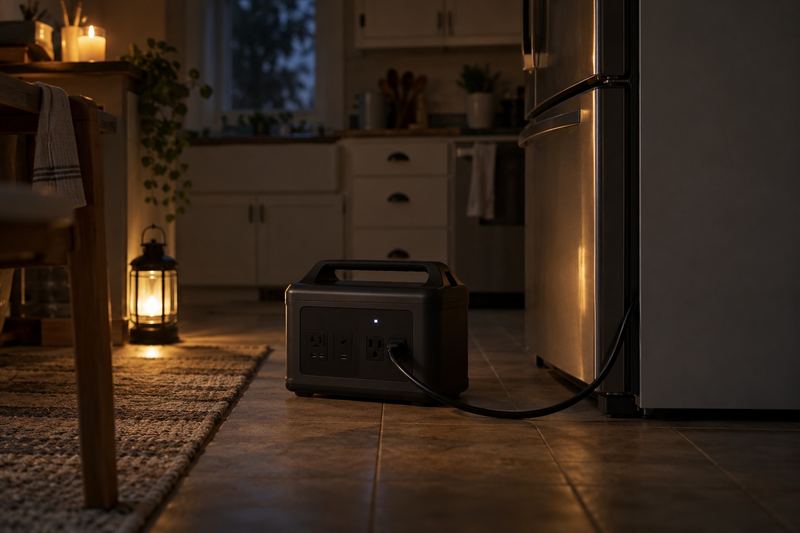
How long will a power station last? Runtime math and examples
How long a power station will run a fridge, CPAP, router or Starlink: the Wh × 0.85 ÷ watts formula, fridge duty cycle, worked examples and solar recharge.
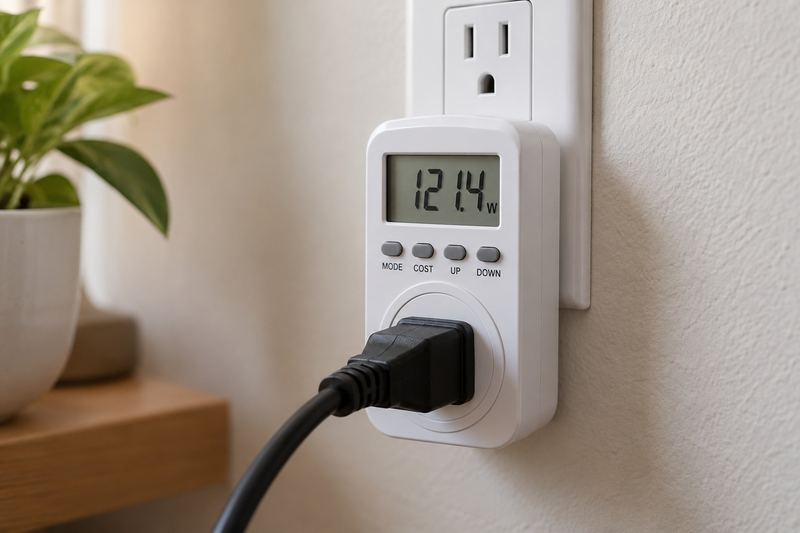
Watts to amps (and amps to watts): formulas and conversion table
Convert watts to amps (amps = watts ÷ volts) and amps to watts at 120 V and 240 V, with a chart, 1,500 W example, circuit limits, kWh and Ah to Wh.
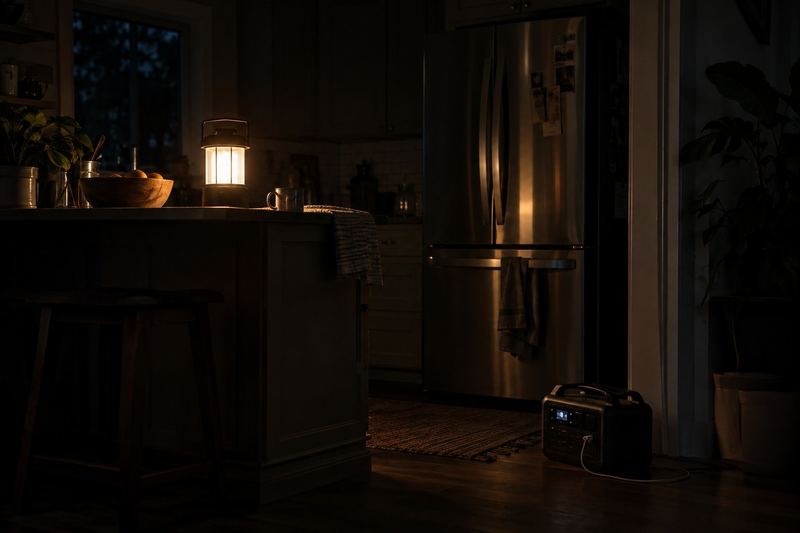
What to run during a power outage: a priority list
What to keep running in a power outage: medical devices, food-safety times, sump pump, furnace, internet, plus sample 3,000 W generator and 1,000 Wh plans.
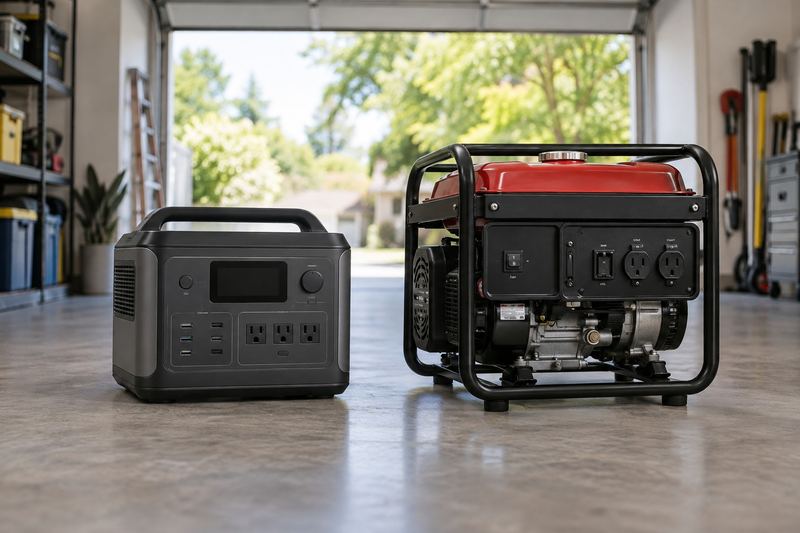
Power station vs generator: which is right for your outage?
Power station vs gas generator: capacity vs fuel, surge watts, indoor use, noise, solar recharge, battery cycle life and which fits your outage needs best.
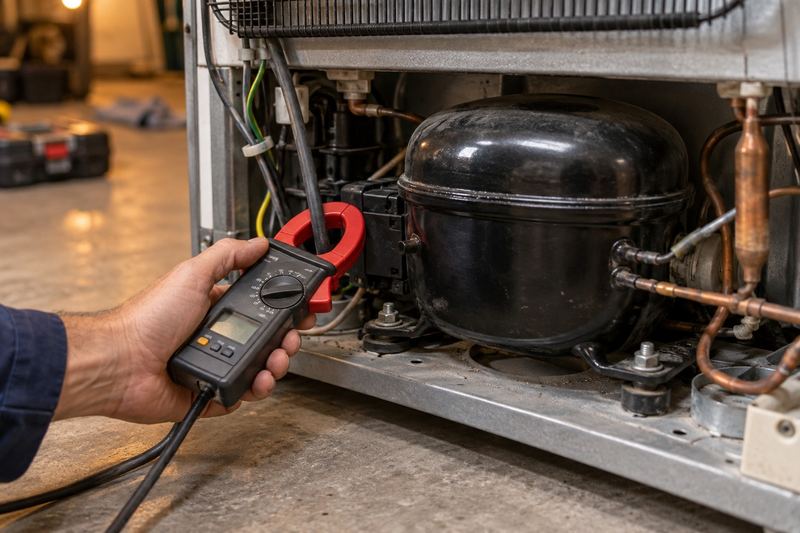
Running watts vs starting watts: what the difference means
Running watts keep an appliance going; starting watts get motors moving. Which appliances surge, why you add only the largest, and rated vs peak.
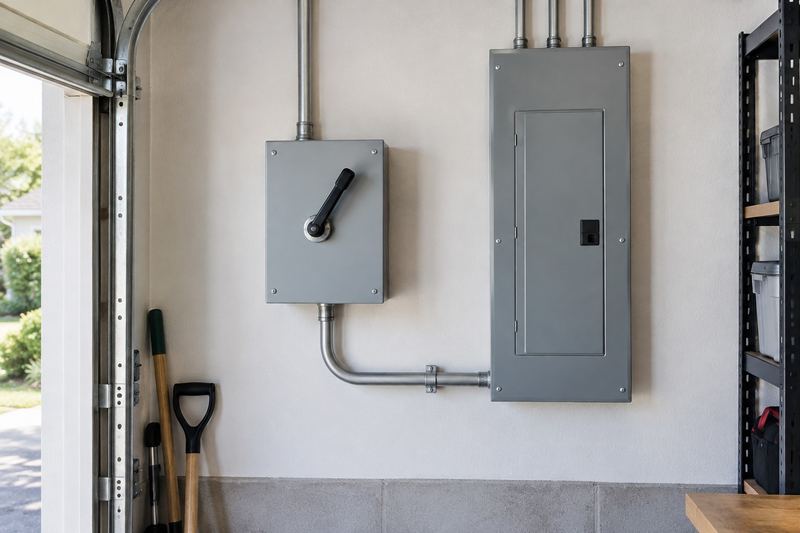
Generator transfer switch vs interlock kit: what each does
What a generator transfer switch and interlock kit do, what the NEC requires, inlet boxes, manual vs automatic, and why backfeeding an outlet is dangerous.
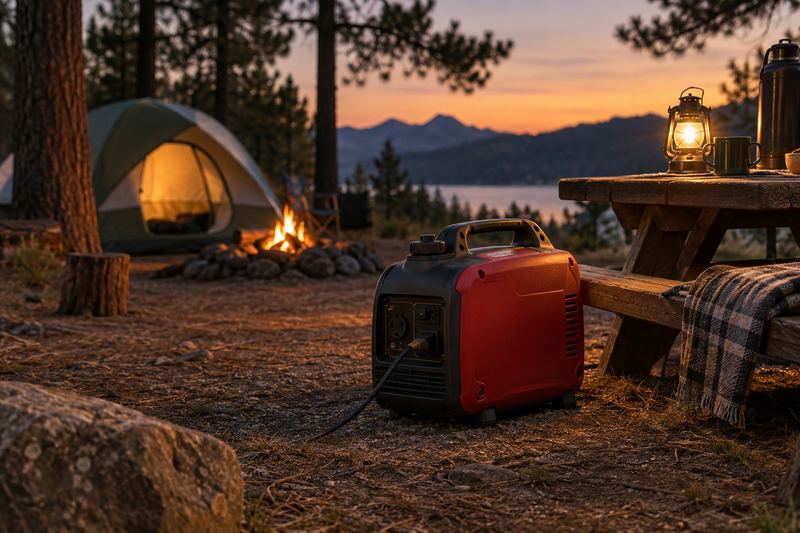
Inverter generator vs conventional generator: key differences
Inverter generators give cleaner power, sip fuel at light loads and run quieter; conventional ones cost less per watt. How THD, noise and costs compare.
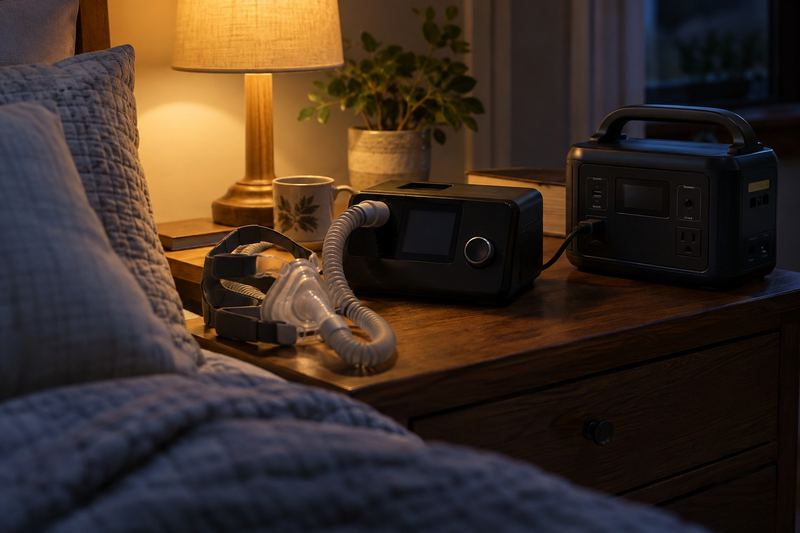
CPAP battery backup: powering a CPAP through an outage
CPAP battery backup: real watts with and without the humidifier, DC vs AC, power station sizes for 1–3 nights, and utility medical programs to ask about.
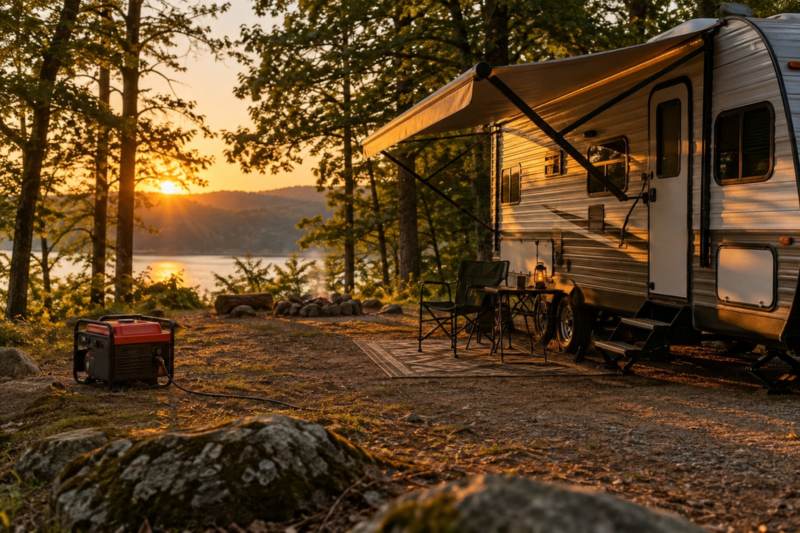
What size generator for a 30-amp or 50-amp RV?
A 30-amp RV tops out at 3,600 W and a 50-amp RV at about 12,000 W. How to size an RV generator around the rooftop AC's start surge, plus adapter limits.
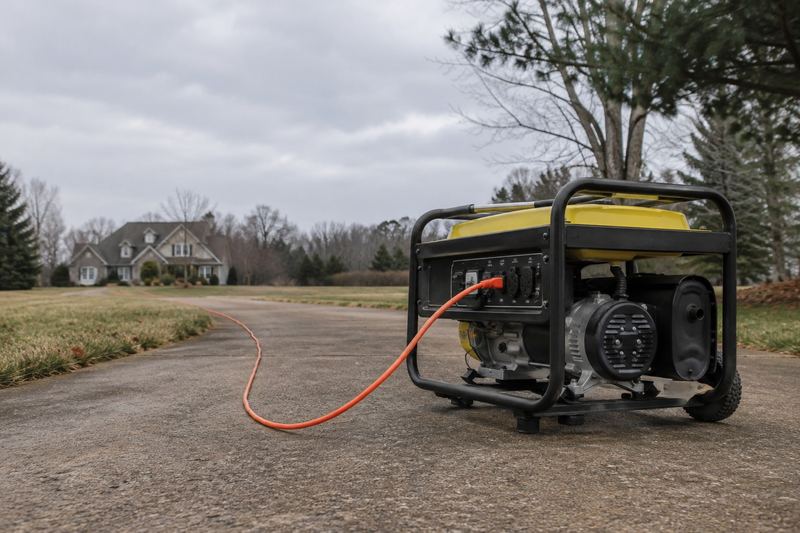
Generator safety: carbon monoxide, distance, cords and fuel
Run generators outdoors at least 20 feet from your home (CPSC). CO symptoms, CO alarms, rain, extension cords, refueling and fuel storage, in plain terms.
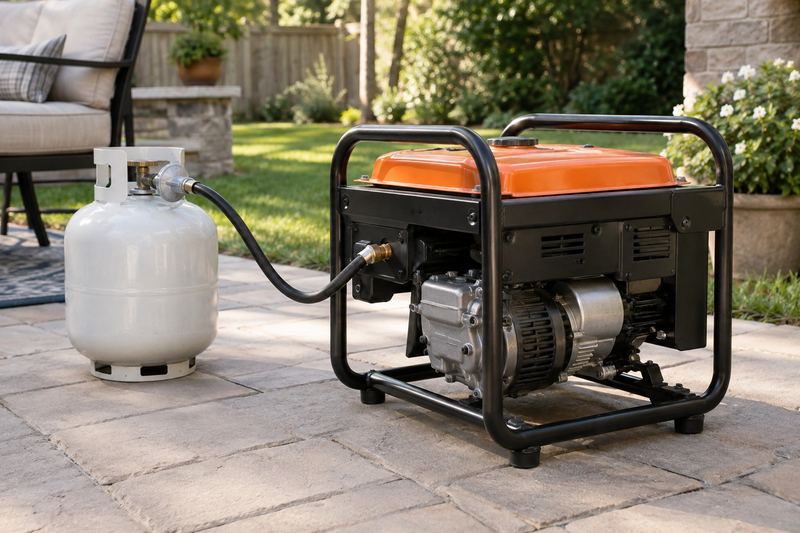
Dual fuel generator: gasoline vs propane vs natural gas
How dual fuel and propane generators compare: lower output on propane, gasoline vs propane storage life, fuel in outages, and tri-fuel natural gas models.
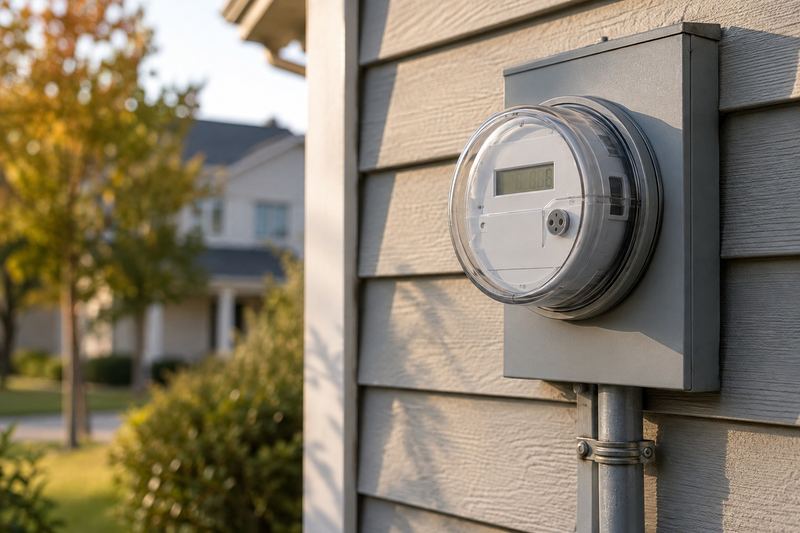
How many kWh does a house use? US averages and what uses the most
The average US home used 865 kWh a month in 2024 (EIA), about 28 kWh a day. See what uses the most, how to read your bill, and what backup really needs.

Generator maintenance: oil changes, test runs, fuel and storage
Generator maintenance from maker manuals: break-in and regular oil changes, test runs, fuel stabilizer, storage, air filter, spark plug and standby service.
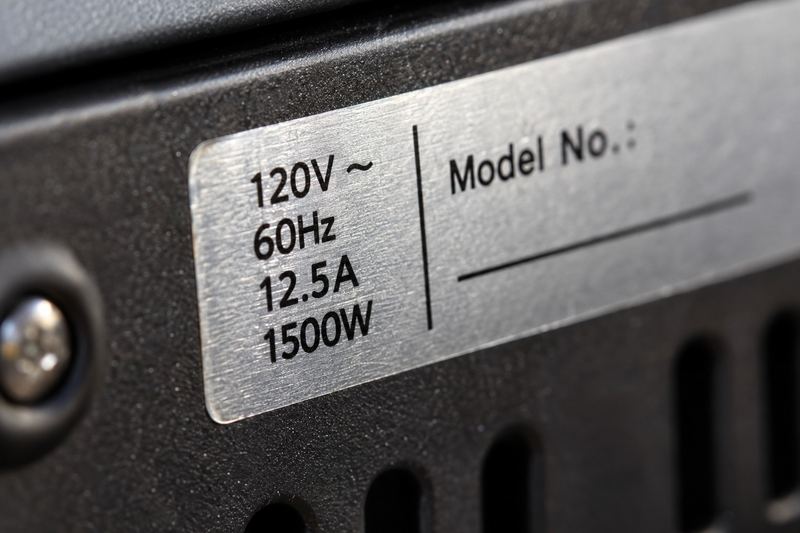
How to find the wattage of an appliance: labels, meters and math
Find an appliance's wattage on its nameplate (or multiply volts × amps), measure real use with a plug-in watt meter, and turn EnergyGuide kWh into watts.