Running watts are the steady power an appliance draws once it is going. Starting (surge) watts are the brief extra burst a motor or compressor needs to get moving, often two to three times the running figure and lasting under a second. Size a generator for total running watts plus the single largest starting load.
Key facts
- Only motors and compressors have a meaningful start surge: fridges, freezers, pumps, air conditioners, blowers, compressors and power tools.
- A refrigerator runs on about 150 W but generator makers' charts list about 2,200 W to start it.
- Generac puts starting watts at often two to three times running watts; Honda's guide says to estimate motor starts at three times running amps.
- On a generator, "maximum" or "peak" watts is the short-term rating. Honda's EG3500X manual limits use at maximum power to 30 minutes.
- A soft starter can cut an RV air conditioner's start surge by up to about 70%, according to a soft-start maker.
What is the difference between running watts and starting watts?
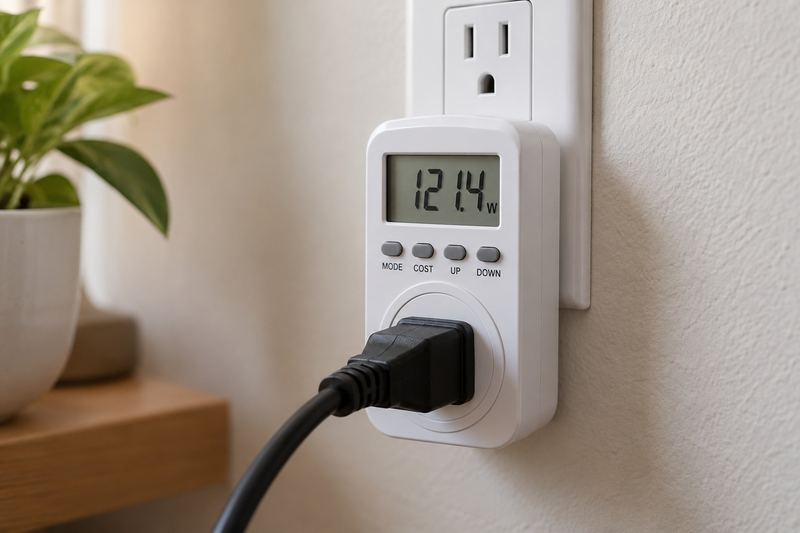
Running watts (also called rated or continuous watts) are what an appliance uses while it is doing its job: a fridge compressor humming, a pump moving water, a heater glowing. This is the number that sets your fuel or battery use over hours.
Starting watts (also called surge or peak watts) are the momentary demand when a motor switches on. The spike is short, usually well under a second, but if your generator or power station can't supply it, the motor stalls, the breaker trips or the inverter shuts down.
Both numbers matter, for different reasons. Running watts decide whether a generator can carry your loads all evening. Starting watts decide whether it can get them going in the first place.
Why do motors need extra watts to start?
A motor that is standing still has little besides its windings' own impedance limiting the current flowing into them. Once it spins, it generates its own opposing voltage that holds the current down to the running level. In the fraction of a second before it reaches speed, it draws what engineers call inrush or locked-rotor current, several times its normal running current.
Some motors also start against a load:
- Compressors in fridges, freezers, dehumidifiers and air conditioners start against refrigerant pressure.
- Air compressors restart against the pressure already in the tank, every time the pressure switch kicks in.
- Well and sump pumps start against a column of water.
Generac's sizing guide puts starting watts at often two to three times running watts. Honda's generator guide tells owners to estimate a motor's starting load at three times its running amps. Pumps can be worse: Franklin Electric asks for 50% more generator for 2-wire well pump motors than for 3-wire ones, because 2-wire motors, which have no separate control box, draw more current when they start.
Which appliances have starting watts?
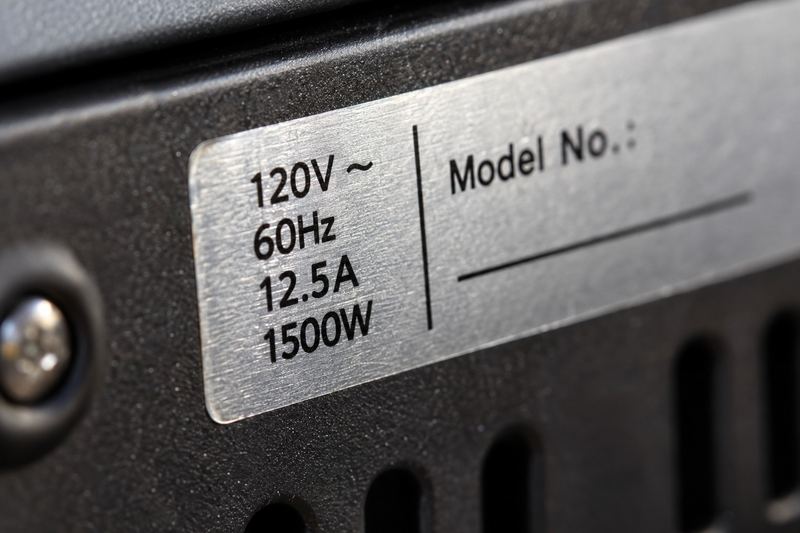
Typical figures from our appliance data. Your model may differ, so check its label when you can.
| Appliance | Running watts | Starting watts |
|---|---|---|
| Refrigerator | 150 | 2,200 |
| Chest freezer | 80 | 2,200 |
| Sump pump (1/2 HP) | 1,000 | 2,150 |
| Well pump (1/2 HP) | 1,000 | 2,100 |
| Window AC (8,000 BTU) | 660 | 1,500 |
| RV rooftop AC (13,500 BTU) | 1,600 | 3,000 |
| Central AC (about 3 tons) | 3,500 | 7,000 |
| Furnace blower | 500 | 1,400 |
| Garage door opener (1/2 HP) | 875 | 2,350 |
| Air compressor (1/2 HP) | 1,000 | 2,000 |
| Washing machine | 500 | 1,200 |
| Dehumidifier | 400 | 800 |
These loads have no meaningful starting surge, so count only their running watts: space heaters (about 1,500 W), microwaves (about 1,500 W input), coffee makers, toasters, TVs, LED lights, laptops and CPAP machines. Microwaves can pull a short inrush through their transformer, so leave some margin, but they don't need a motor-style surge allowance.
Newer appliances with inverter (variable-speed) compressors or motors, such as many mini-splits and some newer fridges, ramp up gradually and surge far less than the figures above.
Why do you only add the largest starting load?
Each surge lasts a fraction of a second, and in normal use motors switch on at different moments. The chance that your fridge, freezer and sump pump all kick on in the same split second is small. So the standard method, used by Generac and by utilities such as the Eugene Water & Electric Board, is:
Generator size = all running watts + the single largest starting watts
Example: a fridge (150 W), freezer (80 W), sump pump (1,000 W) and some lights and chargers (about 180 W) total about 1,410 W running. The biggest starting load is the fridge at 2,200 W, so you need about 3,610 W at peak. Our generator size calculator does this for any list, and what size generator do I need walks through more examples.
Some charts list "additional" starting watts (the extra on top of running), others the full starting figure. Adding the full figure on top of the running total, as we do, gives a slightly cautious answer.
When surges can stack
The one-at-a-time assumption breaks when everything starts together. That happens when you first connect a generator after an outage, with fridges, freezers and pumps all waiting to start. Start the generator with nothing connected, then switch on or plug in motor loads one at a time, biggest first, a few seconds apart.
What do rated and peak watts mean on a generator?
Generators list two numbers:
- Rated (running or continuous) watts: what it can supply for hours. Keep your running total comfortably under this.
- Maximum (peak or starting) watts: a short-term rating for motor starts. Honda's EG3500X manual, for example, lists 3,000 W rated and 3,500 W maximum, says to limit operation at maximum power to 30 minutes, and says not to exceed rated power for continuous use.
The bigger number is usually the one in the product name, so read the spec sheet before you compare models. Each outlet has its own limit too: a 120 V, 20 A receptacle delivers up to 2,400 W. Our watts to amps converter checks the math.
What does "surge" mean on a portable power station?
Power stations list a continuous output (what the inverter can supply steadily) and a surge or peak output (what it can supply for a very short moment). Makers define how long the surge can be held differently, so treat it as a motor-start allowance, not extra working capacity.
To run a motor load from a power station, check three things:
- The surge rating is above the appliance's starting watts. A fridge that needs about 2,200 W to start will trip a station with a lower surge rating, even though it runs on 150 W.
- The continuous rating covers all running loads together.
- The output is pure sine wave, which compressor motors and electronic controls need.
Battery capacity is a separate question: surge decides whether it starts, watt-hours decide how long it runs. See how long will a power station last.
How does a soft starter reduce starting watts?
A soft starter is an add-on module, wired into an air conditioner's compressor circuit, that brings the motor up to speed gradually instead of all at once. It lowers the starting surge but doesn't change running watts.
- A soft-start maker says its devices can reduce an RV air conditioner's startup surge by up to about 70%, and its chart shows a 13,500 BTU unit moving from needing at least a 3,000 W generator to about 2,000 W.
- Generac's home sizing guide suggests a soft-start kit on central AC to help a home standby generator handle the compressor start.
Soft starters for home AC should be installed by an HVAC technician or licensed electrician; check with the equipment maker about warranty terms first.
Questions people ask
Is surge watts the same as starting watts?
Yes. Surge, starting and peak watts all describe the short burst of power a motor needs to get going. On a generator spec sheet, "maximum watts" is the matching rating.
How long do starting watts last?
Usually well under a second for a fridge or pump compressor. The surge is over once the motor reaches speed.
Do I need to count starting watts for a space heater or microwave?
No. Heaters, microwaves, toasters and electronics have no motor-style start surge, so count only their running watts.
Should I size a generator by its peak watts?
Use both ratings. Your running total should sit comfortably under the rated watts, and your running total plus the largest starting load should fit under the maximum watts.
Why does my power station shut off when the fridge starts?
The compressor's starting draw is above the station's surge rating, so the inverter's overload protection trips. You need a station with a higher surge rating, or a fridge with an inverter compressor that starts more gently.
Sources
- Generac: What size generator do I need?
- Honda Power Equipment: Generators guide with appliance wattage chart (PDF)
- Honda Power Equipment: EG3500X owner's manual (PDF)
- Eugene Water & Electric Board: Generator sizing considerations (PDF)
- Champion Power Equipment: Generator wattage chart (PDF)
- Generac: Portable generator brochure with wattage reference chart (PDF)
- Franklin Electric: Submersible motors application, installation and maintenance manual (PDF)
- Micro-Air: What size generator do you need to run an RV air conditioner