A dual fuel generator runs on either gasoline or propane. Propane stores for years without going stale and is easier to keep on hand for outages, but the same generator usually makes somewhat less power on propane. Gasoline gives full rated output but degrades in storage. Tri-fuel models add natural gas from a home gas line.
Key facts
- Output is usually lower on propane: Champion lists one 4,500 W dual fuel inverter at 3,650 running watts on gasoline and 3,285 on propane, about 10% less.
- Standby generators show the same pattern: Generac rates its 22 kW home standby unit at 22 kW on propane and 21 kW on natural gas.
- Propane does not go stale in storage; the Propane Education & Research Council describes its shelf life as indefinite.
- Gasoline deteriorates; Honda recommends stabilizer and draining the carburetor if the generator runs less than once a month.
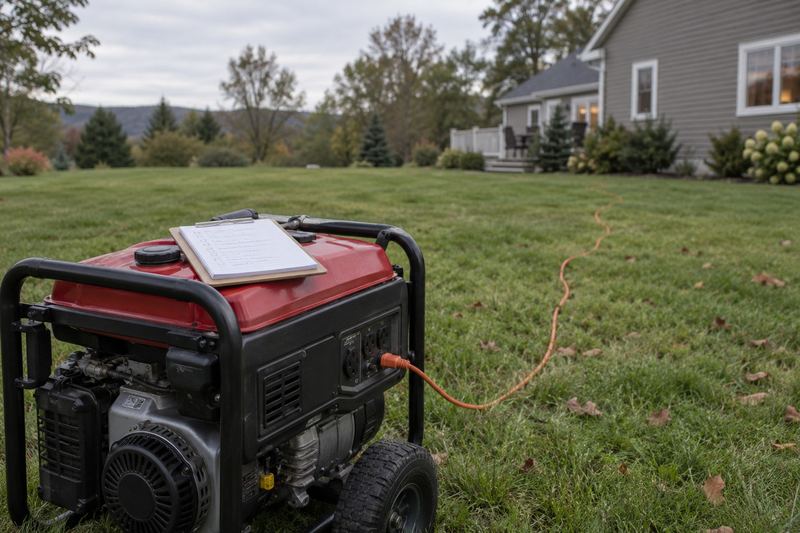
- Same CO rules apply to every fuel: outdoors only, at least 20 feet from the house (CPSC).
What is a dual fuel generator?
A dual fuel generator has one engine that can be fed from two fuel systems: a gasoline tank and a hose connection for a propane cylinder (LPG). A selector or switch on the panel chooses the fuel. You can run on gasoline when it's handy and switch to propane when gas is scarce or stale.
A propane-only generator skips the gas tank and carburetor altogether. A tri-fuel generator adds a third connection for natural gas, usually supplied from the home's gas line through a connection installed by a qualified professional.
Does a generator make less power on propane?
Usually, yes. The same engine typically produces a bit less power on propane than on gasoline. Makers publish separate ratings for each fuel, and the propane numbers are typically lower.
Two examples from manufacturer spec pages:
| Generator (source) | Gasoline | Propane | Natural gas |
|---|---|---|---|
| Champion 4500W dual fuel open frame inverter (running watts) | 3,650 W | 3,285 W | Not offered |
| Champion 4500W dual fuel open frame inverter (starting watts) | 4,500 W | 4,500 W | Not offered |
| Generac 22 kW home standby (rated output) | Not offered | 22,000 W | 21,000 W |
The size of the drop varies by model, so always size from the rating for the fuel you plan to use most. If you'll rely on propane in an outage, plug the propane running watts into our generator size calculator, not the bigger gasoline number on the box. On a natural gas connection, output is typically lower than on propane as well; check the maker's natural gas rating.
Starting watts matter too. A well pump or sump pump can need about twice its running watts for a split second at start-up. Our running vs starting watts guide explains how to add the largest surge on top.
Gasoline vs propane vs natural gas
| Factor | Gasoline | Propane | Natural gas |
|---|---|---|---|
| Power output | Full rated output | Typically lower than on gasoline | Typically lower again |
| Storage life | Months; needs stabilizer and carburetor care | Does not go stale | No storage; piped in |
| How you store it | Approved cans, outside the home | Cylinders or a larger tank, outdoors | Utility gas line |
| During a long outage | Must buy and haul more | Swap or refill cylinders; a large tank lasts longer | Runs as long as gas service continues |
| Engine upkeep | Stale fuel can gum up the carburetor | No carburetor varnish from stale fuel | No carburetor varnish from stale fuel |
How long does gasoline last compared with propane?
Gasoline starts to break down in storage, especially when exposed to air, heat and moisture. Fuel blends with ethanol absorb water from the air; Honda advises against fuel with more than 10% ethanol in its generators. Honda's guidance is to add fuel stabilizer to the gas can every time you fill it, store the generator out of the sun, and drain the carburetor if the generator runs less than once a month. Stabilizer slows aging but does not restore old gas, and even treated fuel can deteriorate over a long storage period.
Propane doesn't have that problem. The Propane Education & Research Council describes propane's shelf life as indefinite, which is why it's popular for backup power: a cylinder filled in spring is still good after a fall storm. Cylinders themselves have inspection and requalification dates, so check the date stamp before refilling.
For more on preparing the generator itself for storage, see our generator maintenance guide.
Which fuel is easier to get during an outage?
That depends on what you've stored ahead of time. Gas stations in an outage area may be closed or unable to pump, and lines get long before big storms. Fuel you already have is what counts.
- Gasoline is easy to buy before a storm but bulky to store safely and has a limited shelf life, so most households can keep only a few cans.
- Propane can be stocked months ahead in several cylinders without going stale, and it can't spill like liquid gas. A larger fixed tank, filled by a supplier, can run a generator much longer.
- Natural gas needs no storage and is usually available when the electricity is out, but supply depends on the gas utility, and service can be shut off in some disasters.
Whatever the fuel, the runtime depends mostly on load. Champion's spec page, for example, lists about 22 hours on a 4.02-gallon gas tank and about 21 hours on a 20 lb propane cylinder for its 4500 W dual fuel model, both at a quarter load. Heavier loads shorten that. Our guide to what to run during a power outage helps you keep the load modest.
What is a tri-fuel generator?
A tri-fuel generator runs on gasoline, propane or natural gas. Natural gas operation requires a fixed connection to the home's gas supply. That connection is gas work and must be installed by a qualified, licensed professional, typically under a permit. Expect the lowest output on natural gas.
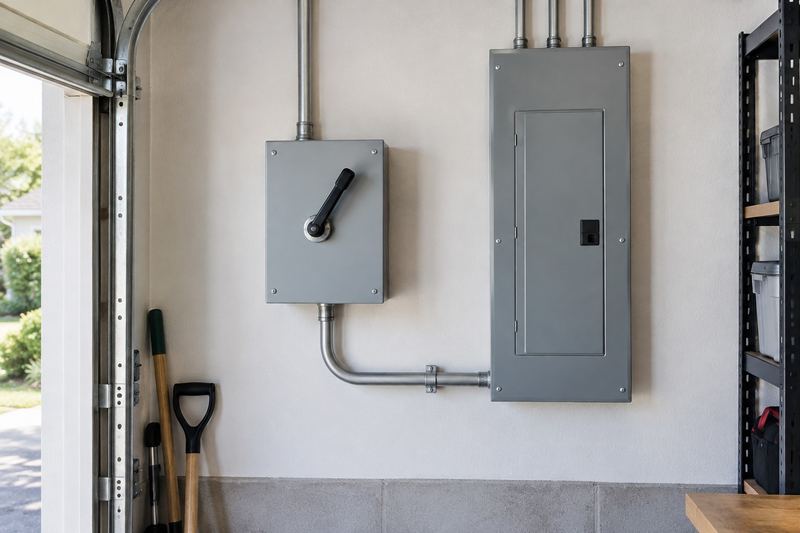
Permanently installed home standby generators are almost always gaseous-fuel units running on natural gas or propane, paired with an automatic transfer switch. See our generator transfer switch guide for how those connect.
Is a dual fuel generator worth it?
For outage backup, the main benefit is flexibility. You can keep propane stored long-term as your reserve and still use gasoline when it is convenient. The trade-offs are the output loss on propane and a little more to learn: hoses, regulators and fuel switching.
Ask yourself:
- Will propane output still cover your essentials, such as a refrigerator, furnace blower, lights and a CPAP? Check with the calculator.
- Do you have a safe outdoor spot to store propane cylinders?
- How long are your typical outages? Longer outages favor a fuel you can stock deeply.
If you're also deciding between engine types, see inverter vs conventional generators.
Does fuel type change generator safety?
No. Every fuel-burning generator makes carbon monoxide. Propane exhaust is not safe indoors. CPSC's guidance applies to all of them: run the generator outdoors only, at least 20 feet from the house, with the exhaust pointed away. See generator safety for CO alarms, cords and refueling.
Questions people ask
Is propane or gasoline better for a generator?
Gasoline gives full rated output; propane gives somewhat less but stores without going stale. Many households use propane as the long-term outage reserve for that reason.
How much power do you lose on propane?
It varies by model. Champion's 4500 W dual fuel inverter, for example, is listed at 3,650 running watts on gasoline and 3,285 on propane, about 10% less. Check the propane rating on the spec sheet for your model.
How long will a 20 lb propane tank run a generator?
It depends on the generator and the load. Champion lists about 21 hours at a quarter load for its 4500 W dual fuel inverter; a heavier load or larger generator uses propane much faster.
Can I switch fuels while the generator is running?
Follow your owner's manual. Procedures differ between models, and some must be shut down first.
Can I convert my gas generator to propane?
Aftermarket conversion kits exist, but check with the generator's maker first about warranty and certification. A generator built for dual fuel at the factory comes with published ratings for each fuel.
Sources
- Champion Power Equipment: 4500W dual fuel open frame inverter specifications
- Generac: 22kW home standby generator specifications
- Propane Education & Research Council: Advantages of propane generators
- Honda: Generator fuel recommendations
- CPSC: Winter storm safety tips to prevent carbon monoxide poisoning and fires
- OSHA: Using portable generators safely (fact sheet)